
Before I came to Sardinia, my knowledge of the island was… well, let’s just say I thought it was named after sardines (ignorant me). Turns out, sardines are there yes, but they aren’t main thing. But what is huge in Sardinia? The sheer number of ancient stone towers called nuraghe that dot the landscape like something out of a fantasy novel.
When I started planning my trip, I quickly realized Sardinia isn’t just another Italian beach destination. Sure, it’s got crystal-clear water and great pasta dishes for days, but mainland Italy can’t compete with the island’s biggest thing: mystery. And Sardinia serves it up by the truckload.
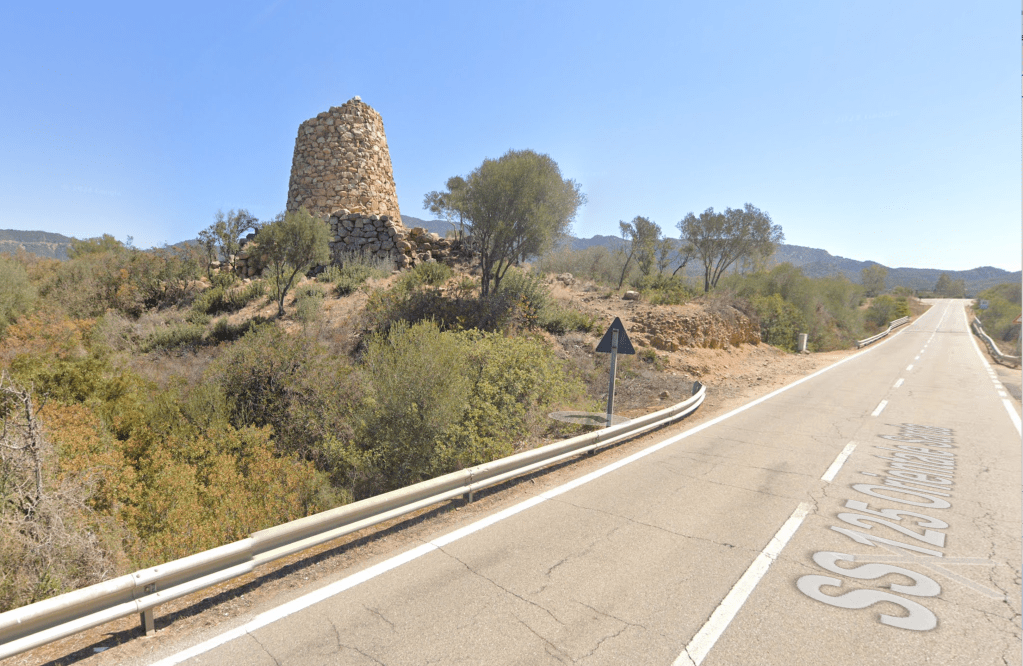
Let’s talk about these nuraghe. Imagine driving down a sun-baked highway, then suddenly spotting a massive stone tower looming on the side of the road, right there in a field—like a Bronze Age skyscraper. These structures are everywhere (over 7,000 of them!), built between 1900–730 BCE by the Nuragic people. They’re made of colossal basalt or limestone blocks stacked without mortar, forming fortress-like cones. Some stand alone; others form sprawling complexes with villages. Archaeologists still debate their purpose—defense? Rituals? Flexing their engineering skills? All of the above?


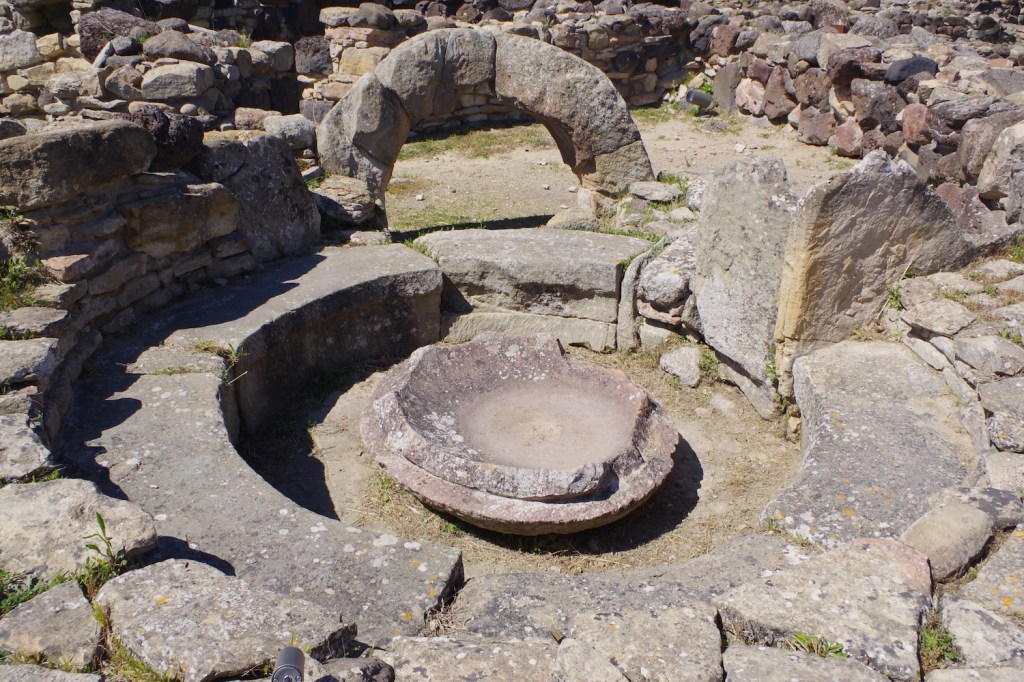
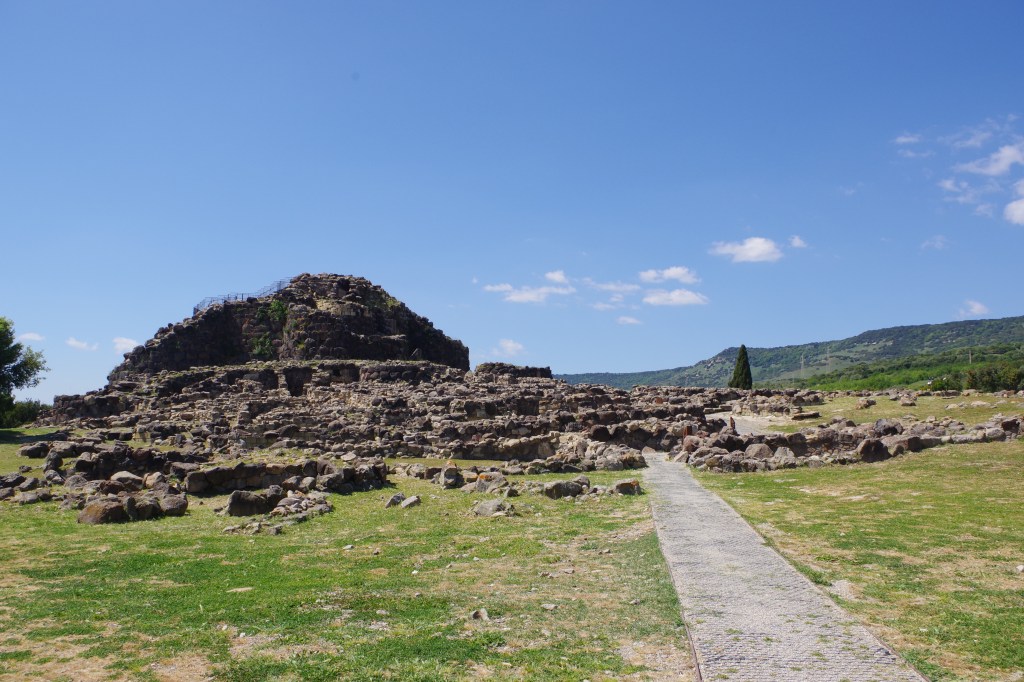
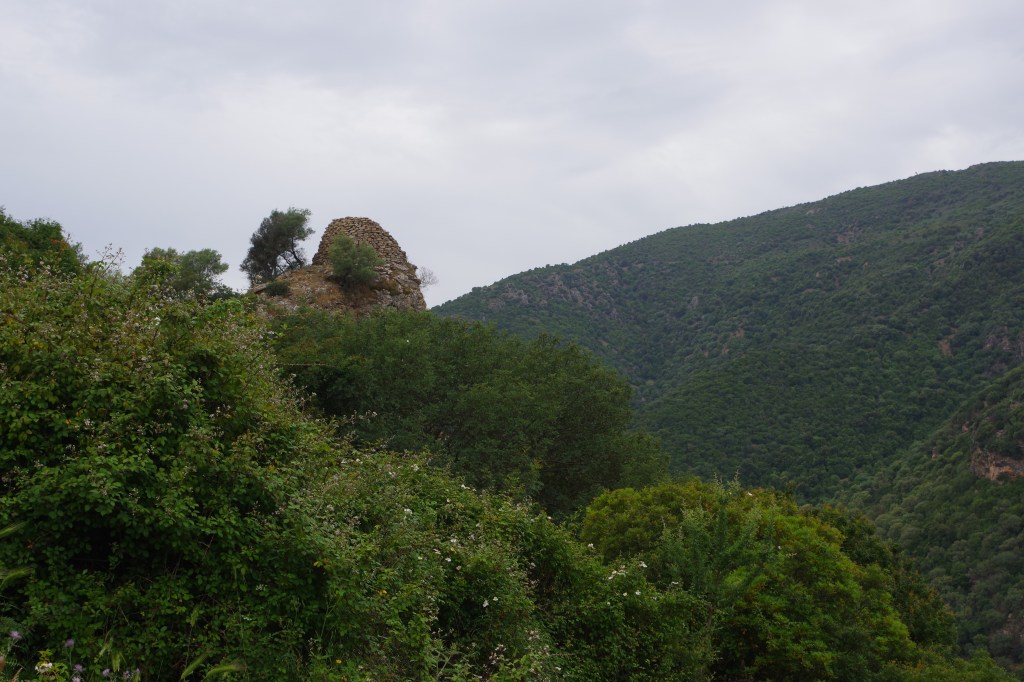
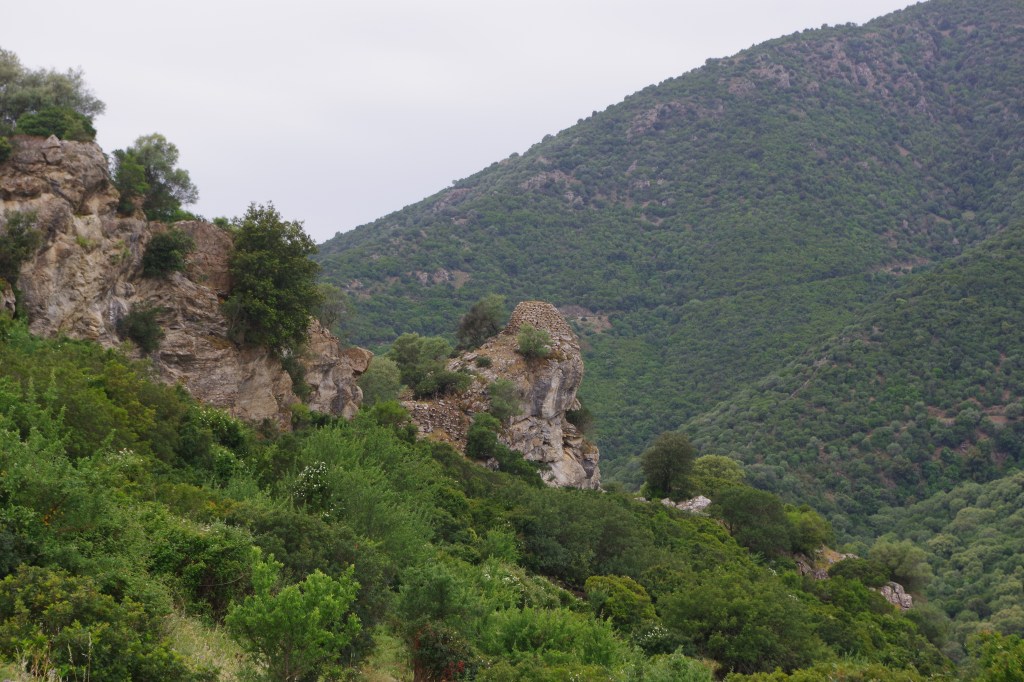
I visited a few major sites, and let me tell you: Su Nuraxi (a UNESCO site) feels like stepping into a giant stone beehive. For a Bronze Age society who built it, the scale is mind-blowing. How did they move these multi-ton blocks without cranes or trucks? Trust me, I once built a backyard stone wall. My 10kg rocks nearly broke me—these people were playing Minecraft IRL with those boulders.
But here’s the wild part: Sardinia’s lore is even juicier. Locals whisper about giants. One shepherd claimed he found giant skeletons, reported it to a museum, some “scientists” came and… poof! The bones vanished. All he kept was a giant tooth (confirmed by a dentist, apparently).
While historians try to focus on hard facts and artifacts, the conspiracy theories are undeniably fun:
- Astronomical observatories? Some nuraghe align perfectly with solstices.
- Atlantis tech? Might be. But was did it do?
- Earth energy hubs? No proof, but it’s a possibility.
The truth? We may never know. The Nuragic civilization left zero written records—just bronze figurines (which look shockingly like our modern art), sacred wells, and a lot of “???.” Check their artifacts in Cagliari’s archaeological museum – one of the coolest sections there.
If you’re adding nuraghe to your Sardinia itinerary (and you absolutely should do it!), here’s the scoop:
Must-See Sites:
- Su Nuraxi (Barumini): The OG nuraghe—4 towers, a central keep, and a village. €8–€10 entry (guided tour included).
- Nuraghe Arrubiu (Orroli):** The “Red Nuraghe” is Sardinia’s largest—25m tall, 5 towers. €6.
- Santu Antine (Torralba): A 3-story tower with maze-like corridors. €5.
- Losa (Abbasanta): Iconic triangular bastion. €5.
- Serra Orrios (Dorgali): A whole village with temples and 70+ huts. €4.
Some useful tips:
- Go in spring or autumn—summer heat is brutal, and winter hours are limited.
- Wear hiking shoes (terrain is rocky if didn’t get it yet).
- Pair nuraghe visits with nearby beaches, cannonau wine tastings, or Tombs of Giants (yes, that’s a real thing. I will write more about them soon).
- Hire a local guide. They’ll drop some local knowledge bombs you won’t get from Google.
Sardinia’s nuraghe aren’t just old rocks—they’re portals to a civilization that thrived for 1,500 years, then ghosted history entirely. Whether you’re here for the legends, the history, or the mystery, these stone giants deliver.
 Sardinia love blog